Casual Games vs. Indie Games: Exploring the Surprising Differences and Unique Appeals
As the gaming industry flourishes, two distinct categories have emerged, each boasting a vibrant community and dedicated player base. Casual games and indie games represent two ends of the gaming spectrum, connecting players through fun experiences but offering vastly different gameplay, design philosophies, and cultural meanings. So, what really distinguishes casual games from indie games? In this article, we delve into their surprising differences and unique appeals, helping you get a better understanding of each genre.
Understanding Casual Games
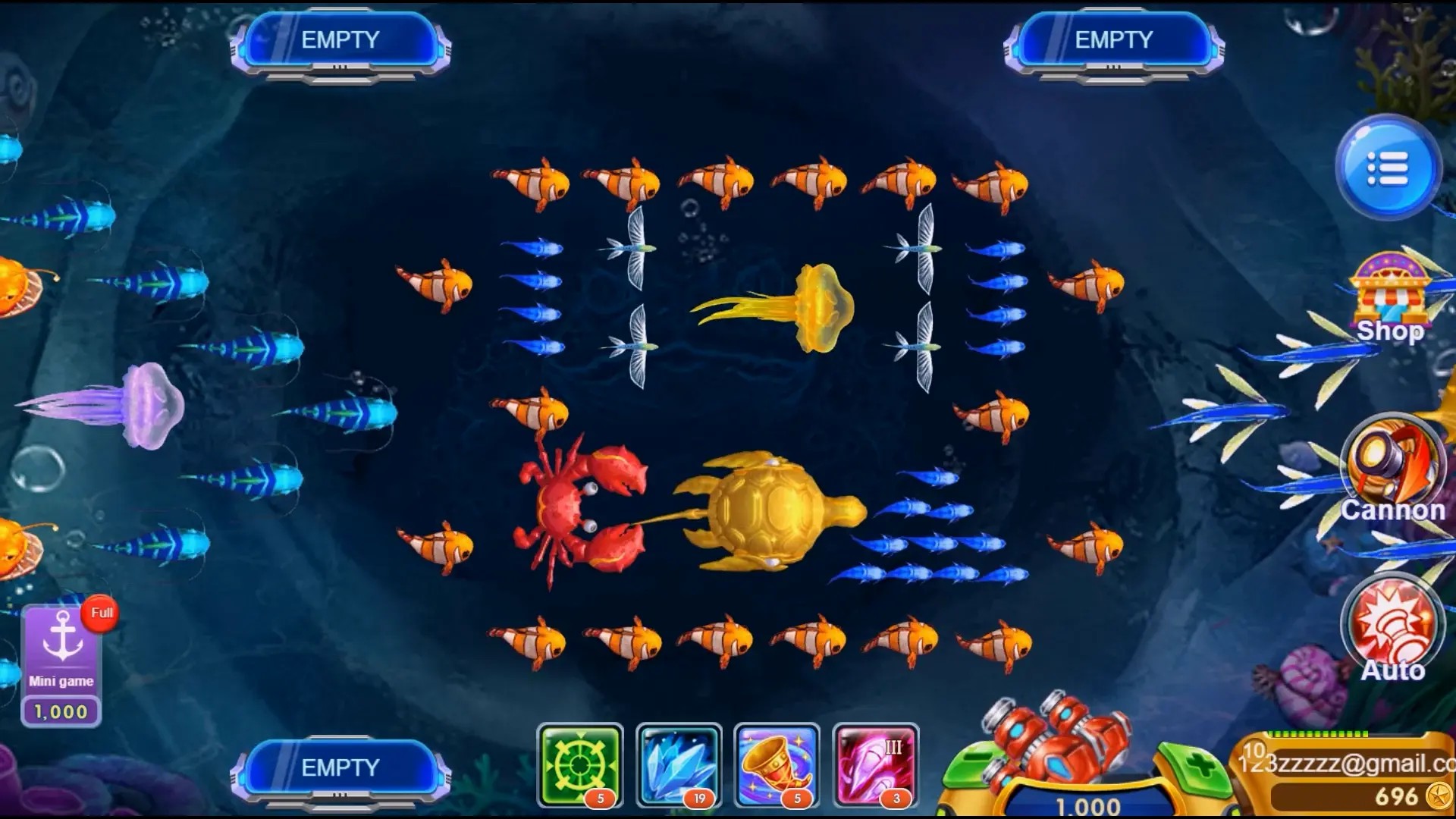
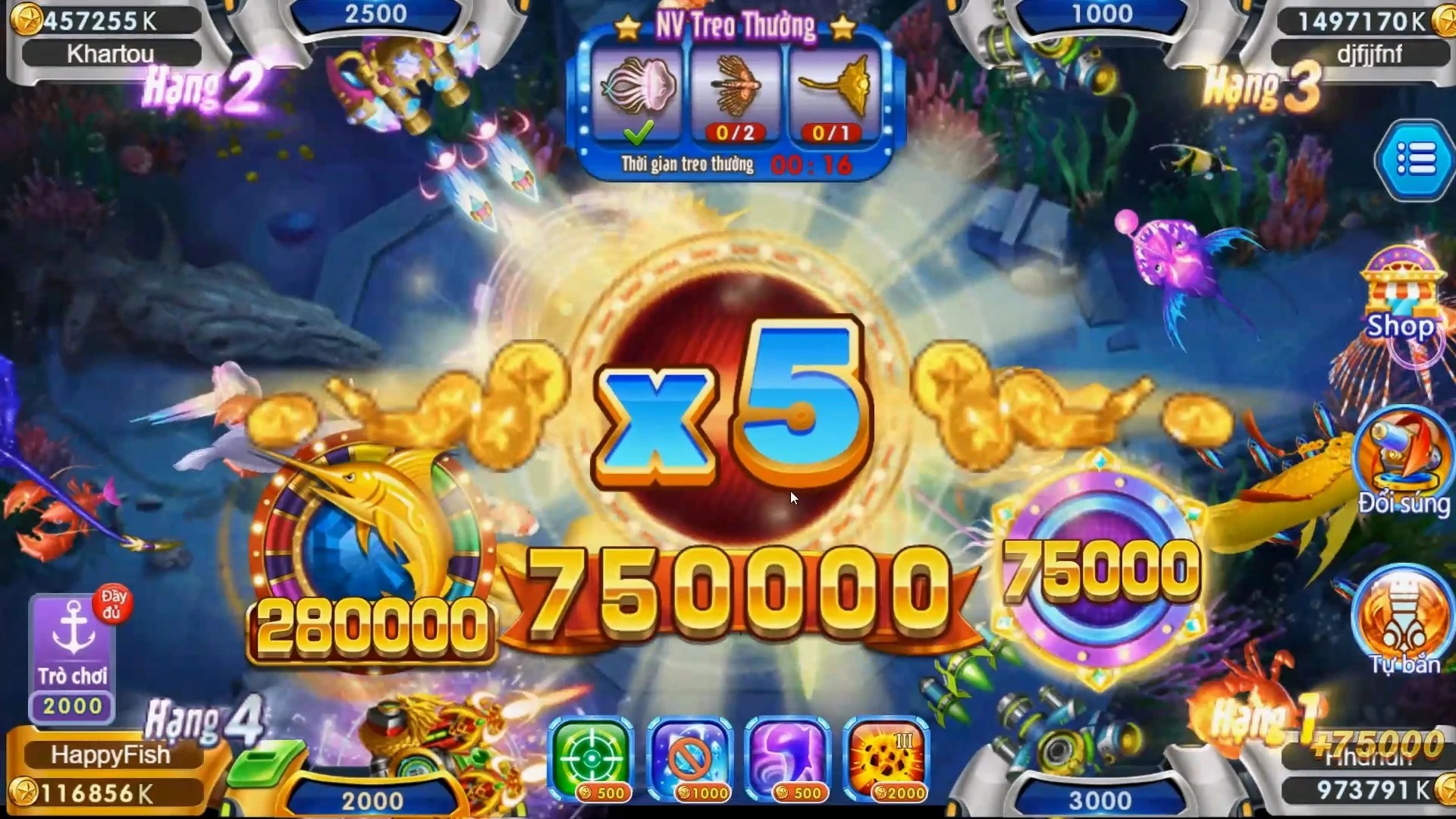
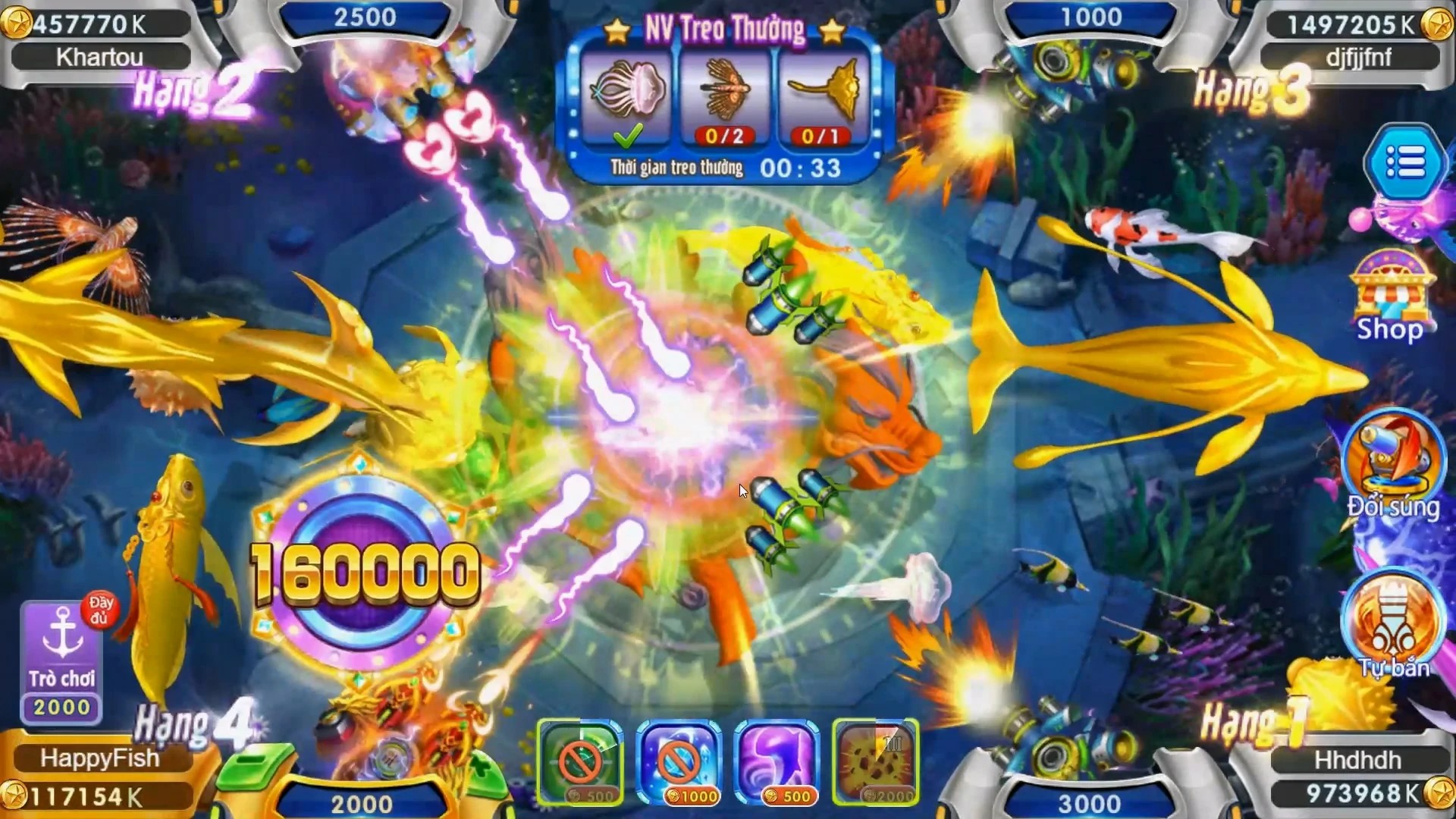
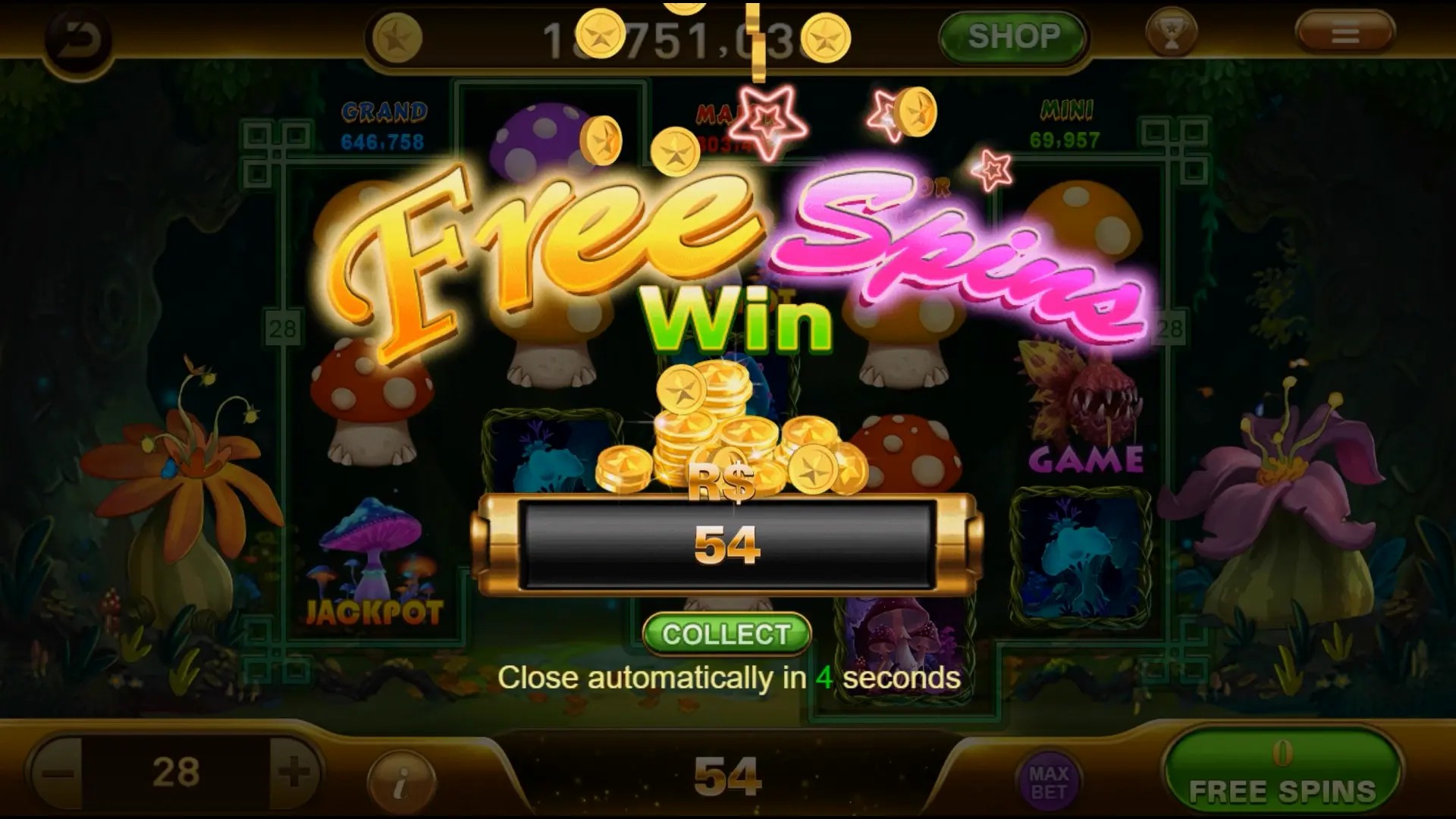
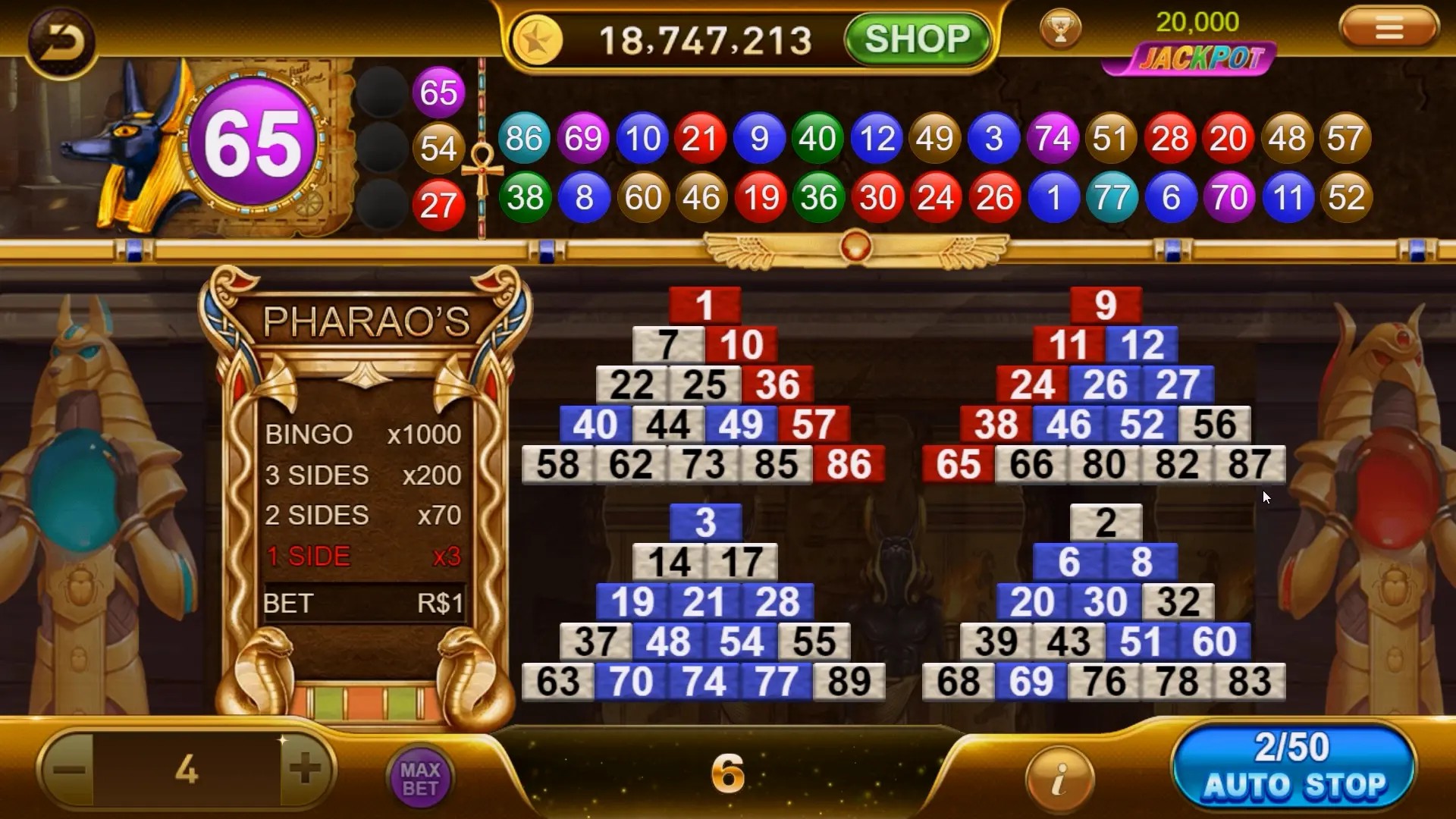
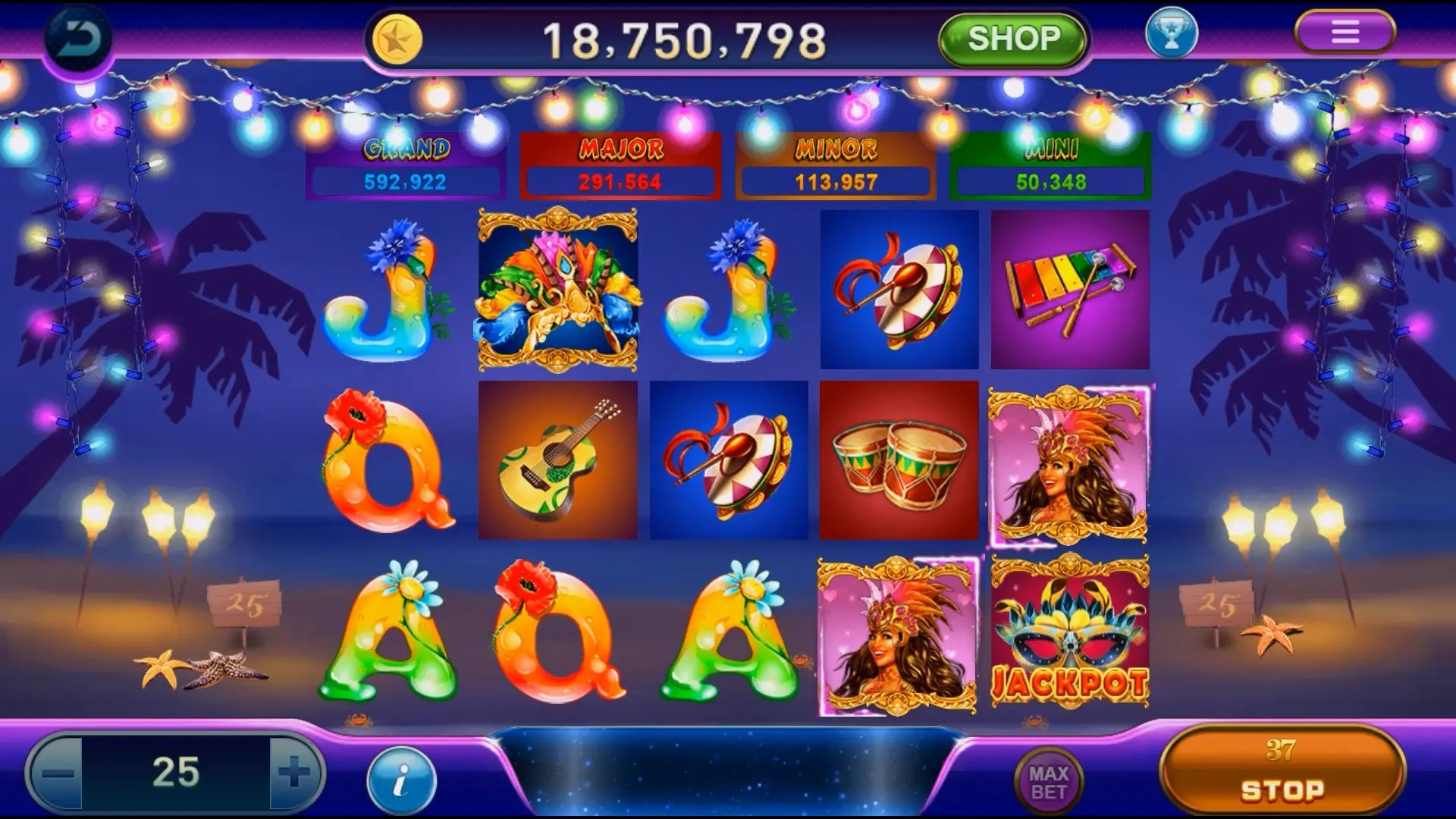
Casual games are designed primarily for entertainment among a broad audience. They are easily accessible, often playable on mobile devices, and can be enjoyed in short bursts. The appeal lies in their simplicity and the immediacy of fun.
Characteristics of Casual Games
- Simple Mechanics: Easy to learn, hard to master.
- Short Play Sessions: Perfect for quick entertainment.
- Widespread Accessibility: Available on multiple platforms including mobile, PC, and consoles.
- Visual Appeal: Bright colors and engaging graphics.
Popular Examples of Casual Games
| Game Title | Platform | Release Date |
|---|---|---|
| Angry Birds | Mobile | 2009 |
| Bejeweled | PC | 2001 |
| Fruit Ninja | Mobile | 2010 |
The Role of Social Interaction
Casual games often incorporate social elements, allowing players to compete with friends or share scores on social media. This aspect further enhances their appeal, turning casual gaming into a communal experience.
Understanding Indie Games
Indie games are the brainchildren of independent developers who create games without the financial backing from major publishers. This freedom allows for more creative liberty and personal expression.
Characteristics of Indie Games
- Innovative Gameplay: Unique mechanics and fresh concepts.
- Story-Driven: Many indie games focus on narratives, providing deep experiences.
- Artistic Expression: Distinct art styles and designs that reflect the developer's vision.
- Community Support: Often funded through platforms like Kickstarter.
Popular Examples of Indie Games
| Game Title | Platform | Release Date |
|---|---|---|
| Celeste | PC, Console | 2018 |
| Stardew Valley | PC, Mobile | 2016 |
| Hollow Knight | PC, Console | 2017 |
Exploring the Differences
While both casual and indie games share the goal of providing entertainment, they vary significantly in focus and execution. Here are the main differences between these two genres:
| Aspect | Casual Games | Indie Games |
|---|---|---|
| Development | Usually produced by larger studios. | Created by small teams or individuals. |
| Gameplay Style | Light and quick fun. | In-depth, often narrative-driven experiences. |
| Audience | Mass market appeal. | Niche audiences with specific interests. |
The Allure of Story Mode Games
Games with a story mode have garnered special attention, mixing elements from casual and indie game genres. These games offer players a narrative experience without overwhelming complexity. They often last longer than casual titles while maintaining engaging gameplay.
Benefits of Casual Games
Casual games provide immediate gratification and entertainment, making them popular among players who lack time for lengthy gaming sessions.
- - Quick entertainment options
- - Accessibility for all ages
- - Low commitment regarding time and skill
Benefits of Indie Games
On the other hand, indie games often provide unique storytelling elements that can resonate with players. They allow players to engage with immersive worlds and narratives.
- - Innovative ideas and mechanics
- - Deeper narrative and emotional connections
- - Support for independent developers
The Future of Gaming Genres
The gaming industry is constantly evolving. As technology improves and player expectations rise, the lines between casual and indie games may blur further, leading to exciting new hybrid genres.
Conclusion
In summation, casual games and indie games shine in their unique ways, catering to different audiences and preferences. While casual games focus on accessibility and quick entertainment, indie games encourage artistic expression and narrative depth. Understanding these differences not only enhances your gaming experience but also helps you appreciate the vast creativity that exists in the gaming world. Whether you prefer the quick thrills of casual gameplay or the deeper stories of indie games, there’s something for everyone in today’s gaming ecosystem.